Pediatric physiotherapy in Lausanne
Philae Center

Welcome to our new pediatric physiotherapy department in Lausanne!
We are delighted to welcome our new physiotherapist, specialized in pediatrics, to our Lausanne practice. Thanks to this expertise, we can now offer personalized care tailored to children's needs, to enhance their well-being and motor development. Our pediatric physiotherapy service in Lausanne supports infants, children and adolescents in the prevention and treatment of various neurological, orthopedic, respiratory and motor disorders.
Pediatric physiotherapy: a guide to children's well-being and development
What can pediatric physiotherapy do for your child?
Pediatric physical therapy is essential for the assessment, treatment, and management of physical, mobility, and developmental disorders in children. It plays a crucial role in improving the quality of life for children and their families. Our new specialist has extensive training in addressing a range of issues, including neurological, orthopedic, and respiratory disorders, as well as developmental delays.
The Importance of Early Intervention:Early interventionis essential in pediatric physical therapy. The earlier treatment begins, the greater the chance of preventing long-term complications and promoting optimal development. The first months and years of life are critical for brain and physical development, and early intervention can have lasting positive effects.
The Role of Parents and Caregivers: Parentsand caregivers play a crucial role in the success of pediatric physical therapy. Their active participation and support are essential for encouraging the child and following the physical therapist’s recommendations at home. Physical therapy sessions may include training for parents to help them understand their child’s specific needs and use the appropriate techniques to support their development.
The need for early identification : Early identification enables us to detect quickly, from the very first months of life, whether a child is showing unusual signs in his or her development. This may involve difficulties in moving, interacting or communicating, which could indicate a developmental disorder or disability. Early detection means that appropriate support can be put in place as soon as possible, to help the child progress and support parents in their day-to-day work.
Care for every age group

👶 F or babies (0 to 3 years)
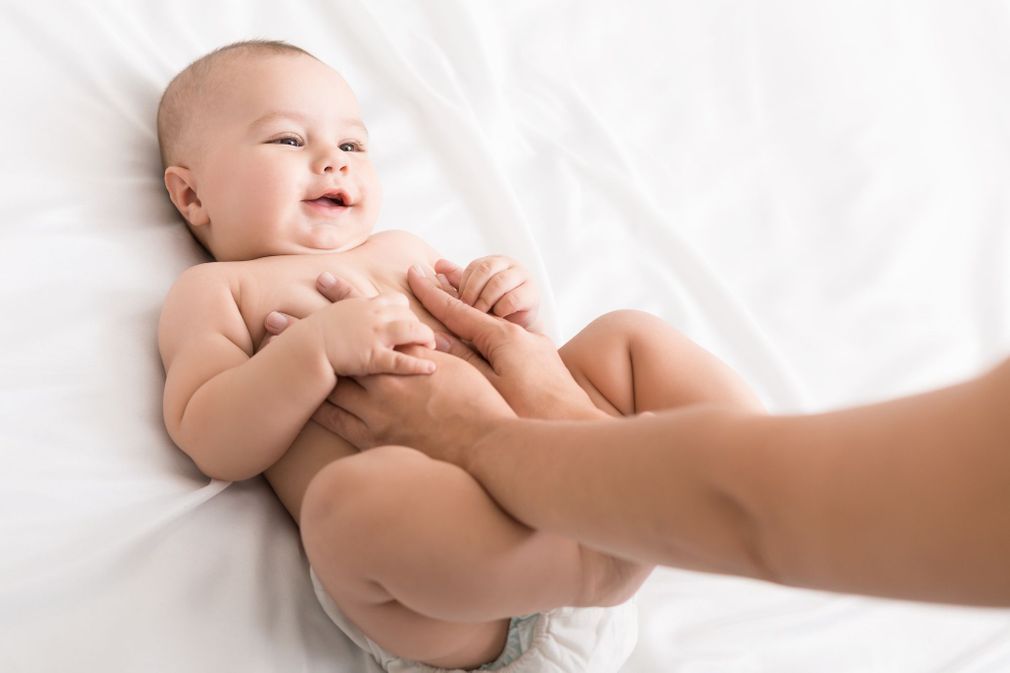
Physical therapy is gentle and playful, respecting your little one’s natural rhythm. We specialize in treating congenital torticollis, plagiocephaly, delayed gross motor development, and conditions related to prematurity, as well as managing clubfoot (particularly as a complement to orthopedic treatment). We provide a reassuring environment for your baby and for you, the parents. From the very first appointment, we take the time to listen, observe, and discuss your needs so that we can work with you and your baby to develop a tailored program.

🧒 F or young children and teenagers (aged 3 and over)
Starting at age 3, the focus shifts to issues such as postural problems, scoliosis, orthopedic issues like sprains or sports injuries, balance and coordination problems, and growth-related pain. We offer a tailored approach that takes the child’s motivation into account, featuring adapted exercises, guidance, and close collaboration with the family. We also provide rehabilitation and regular follow-up for children with motor disorders resulting from disabilities, to support their independence, mobility, and quality of life on a daily basis.

Objectives of pediatric physiotherapy
The main objectives of pediatric physiotherapy are :
- Improve musculoskeletal function: Strengthen muscles, improve balance and coordination.
- Promote motor development: Help children reach developmental milestones such as crawling, walking and running.
- Reducing pain: Using specific techniques to manage and reduce pain.
- Promoting Self-Reliance: Encouraging independence in daily activities.
- Supporting Families: Providing guidance and strategies to support children's development at home.
Assessment and early detection
Treatment begins with a complete physiotherapeutic assessment, combining :
- Standardized tools adapted to the child's age
- Qualitative clinical observation: muscle tone, posture, primitive reflexes, coordination...
This assessment enables us to identify potential problems early on, and introduce early treatment.
Interdisciplinary collaboration
At the Centre Philae in Lausanne, pediatric physiotherapy is part of a collaborative approach with :
- Pediatricians for medical follow-up
- Occupational therapists for the development of fine motor skills
- Speech therapists for language and communication support
Techniques used in pediatric physiotherapy
In pediatric physiotherapy, several techniques are combined to support the child's overall development:
-
Therapeutic exercises: strengthen muscles, improve balance, coordination and endurance, adapted to each child's age and abilities.
-
Play therapy: mobilizes the child in a playful way to encourage movement, motivation and social interaction.
-
Gentle mobilizations: improve joint mobility and posture, and reduce muscular tension and stiffness.
-
Respiratory techniques: used in cases of respiratory disorders (bronchiolitis, cystic fibrosis, etc.) to clear the airways and strengthen lung function.
-
Neurological and orthopedic rehabilitation: Bobath approach (NDT), motor courses, fine motor games and progressive reinforcement after trauma or surgery.
-
Individualized, interdisciplinary care: each treatment is tailored to the child's specific needs, in coordination with pediatricians, occupational therapists and speech therapists where necessary.
Our pediatric physiotherapists
At the Centre Philae in Lausanne, Émilie, a physiotherapist specialized in pediatrics, supports infants, children with atypical development and disabled children with expertise, gentleness and commitment.
Trained in the early detection of motor, cognitive and sensory disorders, she intervenes from the very first weeks of life to support the child's overall development. Thanks to her solid experience in pediatric centers and her specialized training, she offers personalized, fun and age-appropriate care.
A relationship of trust with the child and his or her family is at the heart of our care. Each treatment is designed to be effective, yet gentle and pleasant. Émilie works closely with doctors, pediatricians and other professionals to ensure comprehensive, coordinated care.
This approach aims to support the well-being of the child and his or her family, through attentive accompaniment, concrete advice and active listening at every stage.


Why choose our practice for pediatric physiotherapy?
Our practice is now equipped to provide high-quality pediatric physical therapy care thanks to the expertise of our new physical therapist. Here’s why we’re the ideal choice for your child’s well-being and development:
- Specialized expertise : with a specialized physiotherapist who is passionate about her work
- Personalized approach: we create customized treatment plans to meet each child's unique needs.
- Child-friendly environment: our practice is designed to be a safe and welcoming space for children.
- Working with families: we work closely with parents to ensure ongoing support in the home.
- Link with the family doctor : if necessary, we send feedback to the pediatrician to ensure proper therapeutic follow-up of your child.
Pathologies treated in pediatric physiotherapy
Our pediatric physiotherapist specializes in the treatment of a wide range of children's conditions. Here is a detailed presentation of the most commonly treated disorders:

Neurological disorders
- Muscular Dystrophy: We work to slow the progression of muscle weakness through tailored exercises and strategies designed to maintain independence for as long as possible.
- Neurodevelopmental disorders: metabolic syndrome, genetic syndrome, cerebral palsy or polyhandicap.

Orthopedic disorders
- Scoliosis: Regular follow-up appointments allow us to monitor changes in the curvature of the spine. Our treatment may include specific exercises, the use of braces, and ergonomic advice tailored to the child.
- Fractures: After immobilization, physiotherapy plays a crucial role in restoring function, strength and mobility through progressive exercise.
- Growth Disorders: We treat related pain and deformities, such as Osgood-Schlatter disease, using pain relief and muscle-strengthening techniques.
- Gait disorders: walking on tiptoe or with feet "tucked in", loss of balance or atypical gait
Respiratory problems
- Asthma: Breathing exercises and techniques to increase lung capacity can help manage symptoms and reduce the frequency of attacks.
- Bronchiolitis: Although it is self-limiting, we offer bronchial drainage techniques and exercises to strengthen the respiratory muscles and make breathing easier.

Cranial deformities
- Brachycephaly: This term describes a skull that is wider than normal and flattened at the back. In our practice, we use repositioning techniques, provide guidance to parents on sleeping practices, and sometimes use custom-molded cranial orthoses to help reshape the child’s skull in the best possible way.
- Plagiocephaly: Characterized by flattening on one side of the skull, this condition may also be accompanied by facial asymmetry. Our interventions include repositioning exercises, monitoring of cervical mobility, and educational guidance for parents on making adjustments to the child’s sleep and play environments.
Each treatment plan is tailored to meet the child’s specific needs, using a holistic approach that includes family support and education about the conditions being treated. Our goal is to improve each child’s quality of life and maximize their potential.